



"Bruce Prichard explains how WWE handled fan backlash toward John Cena and Roman Reigns over time."
Bruce Prichard recently offered a clear look into how WWE approached fan backlash toward two of its biggest stars, John Cena and Roman Reigns.
Speaking on his podcast, Prichard explained that while both men faced loud criticism at different points in their careers, WWE never panicked or changed direction based solely on negative crowd reactions.
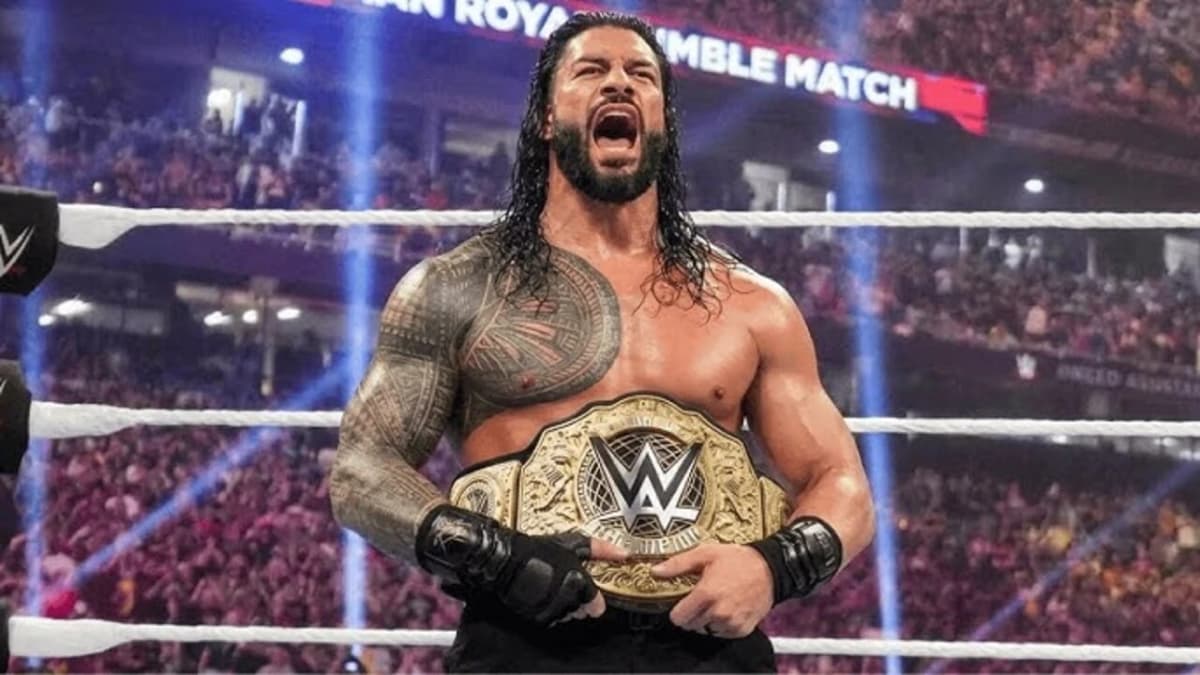
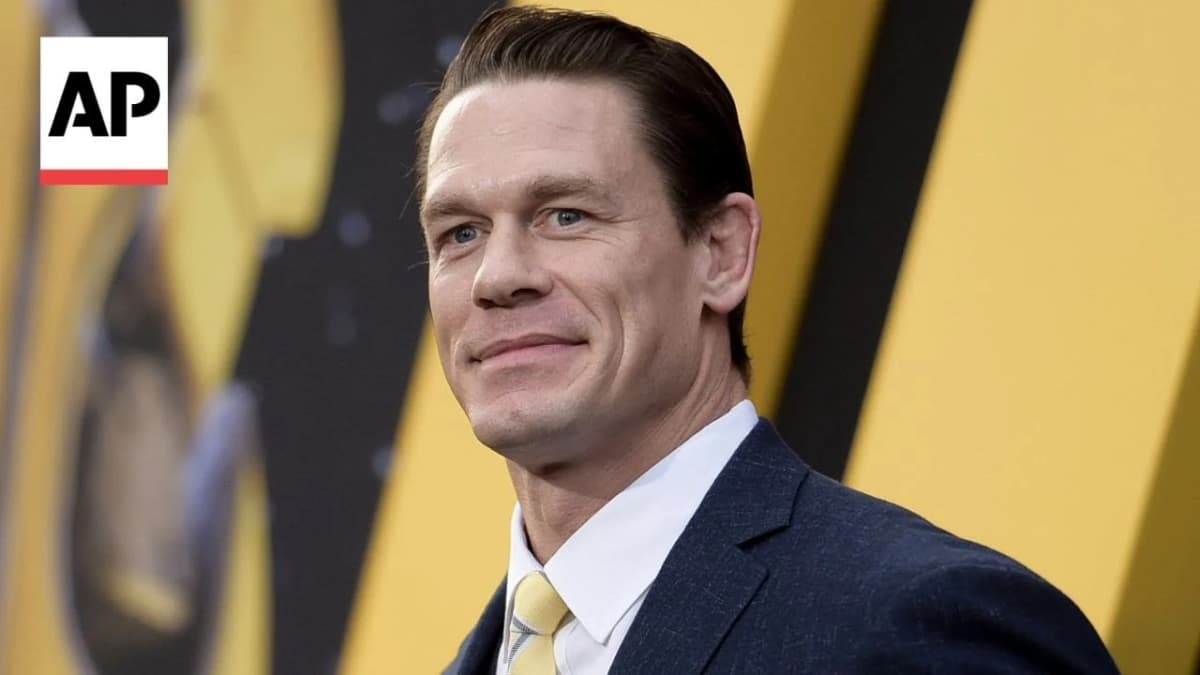
According to Prichard, the company viewed the situations with a wider lens. Cena was heavily booed by portions of the audience during his rise in the mid-2000s, while Reigns faced similar resistance years later as he was positioned as the face of the company. Despite the noise, WWE leadership chose consistency over reactionary booking.
Why WWE Trusted the Long Game
Prichard emphasized that WWE relied more on internal data than live crowd sentiment. Merchandise sales, ticket demand, television ratings, and family engagement told a different story than the boos echoing through arenas. Those numbers showed that both Cena and Reigns were connecting with large sections of the audience, even if vocal fans were unhappy.
He explained that WWE understood backlash does not always mean rejection. In Cena’s case, younger fans and families embraced him, helping turn him into one of the most successful stars in company history. Reigns followed a similar path, remaining a central figure even when crowd reactions were mixed.
Prichard also pointed out that WWE did not ignore criticism, but instead waited for the right moment to evolve Reigns’ character. That patience eventually led to his transformation into the Tribal Chief, a role that reshaped his legacy and shifted fan perception dramatically.
The comparison highlights a core philosophy inside WWE. Rather than reacting week to week, the company prioritizes long-term vision and star investment. Prichard suggested that abandoning either Cena or Reigns during their rough periods would have been a mistake driven by short-term thinking.
Both cases, he said, prove that sustained commitment can pay off. Cena became a global ambassador for WWE, while Reigns emerged as one of the most dominant champions of the modern era.
Never Miss a Storyline
Breaking WWE & AEW news delivered directly to your inbox. No spam, ever.

About the Author
Walid Ahsan
Walid Ahsan is a news editor focused on clear, accurate reporting. He covers breaking stories with attention to detail and context, delivering timely updates and thoughtful analysis for readers who want reliable news without hype.