


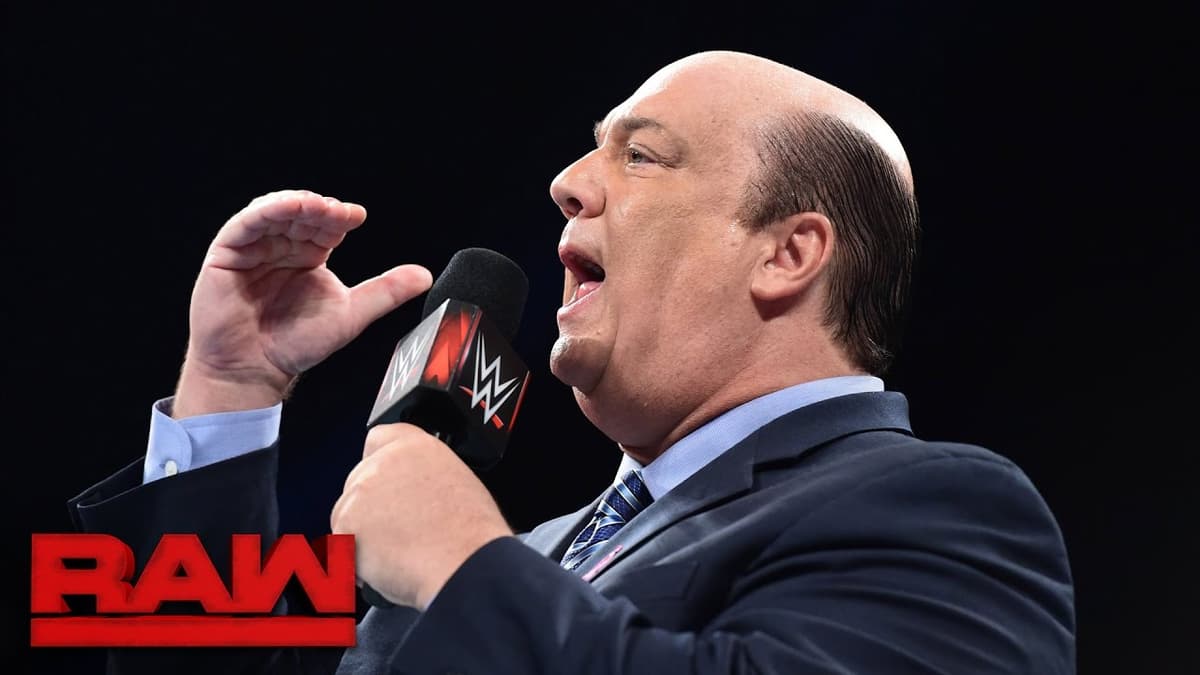
"Paul Heyman explains why CM Punk’s authenticity has long been overlooked in wrestling."
Paul Heyman has spent decades around elite performers, so when he talks about someone’s impact, people listen.
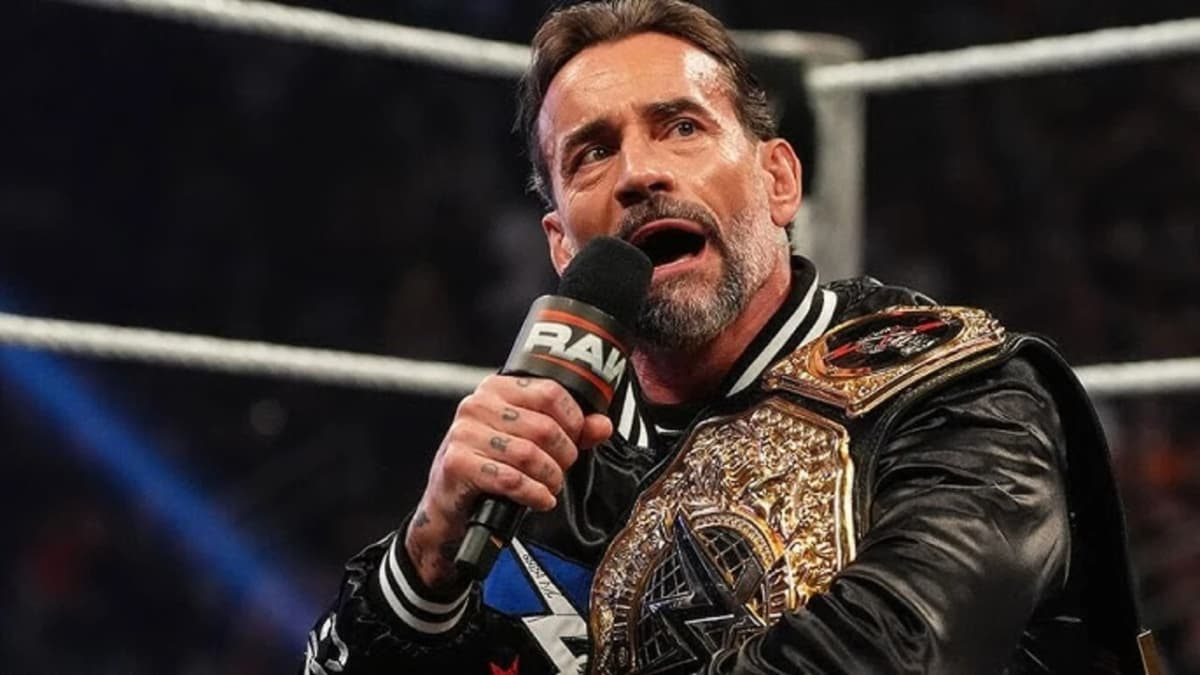
In a recent interview, Heyman shared thoughtful comments about CM Punk, arguing that one of Punk’s most defining traits has never truly received its due. According to Heyman, Punk’s authenticity is often praised by fans but still undervalued when his overall legacy is discussed.
Heyman explained that Punk never relied on exaggerated mannerisms or forced personas to connect with audiences. What fans saw on television closely reflected who Punk was behind the scenes. That consistency, Heyman believes, made Punk stand out in an industry where characters are often carefully manufactured. Instead of adjusting himself to fit wrestling norms, Punk asked the audience to meet him where he already was.
Authenticity often creates friction before it earns respect
One reason Punk’s authenticity went underappreciated, Heyman suggested, is because it created discomfort. When a performer feels real, it becomes harder to separate storyline from reality. Punk spoke like someone who believed every word, which sometimes blurred lines that companies prefer to keep clear. That made him compelling to fans but complicated to manage internally.
Heyman also pointed out that authenticity does not always deliver immediate rewards. Performers who play it safe often rise faster, while those who challenge expectations face resistance. Punk’s honesty didn’t always align with long-term planning or corporate messaging, but it produced moments that still feel genuine years later. Those moments have aged better than many carefully scripted segments.
Another factor is timing. Punk emerged during an era focused on control and polish. His raw delivery and refusal to soften his edge made him feel different, sometimes uncomfortably so. Heyman believes that if Punk had emerged in today’s environment, where realism is more openly embraced, his value might have been recognized sooner.
Heyman also noted that authenticity creates lasting bonds. Fans didn’t just cheer Punk. They believed him. Whether he was angry, confident, or conflicted, it felt earned. That emotional connection explains why audiences remain invested in Punk long after his initial rise.
In Heyman’s view, Punk’s career is proof that being real can be risky but rewarding.
Topics
Never Miss a Storyline
Breaking WWE & AEW news delivered directly to your inbox. No spam, ever.

About the Author
Walid Ahsan
Walid Ahsan is a news editor focused on clear, accurate reporting. He covers breaking stories with attention to detail and context, delivering timely updates and thoughtful analysis for readers who want reliable news without hype.