


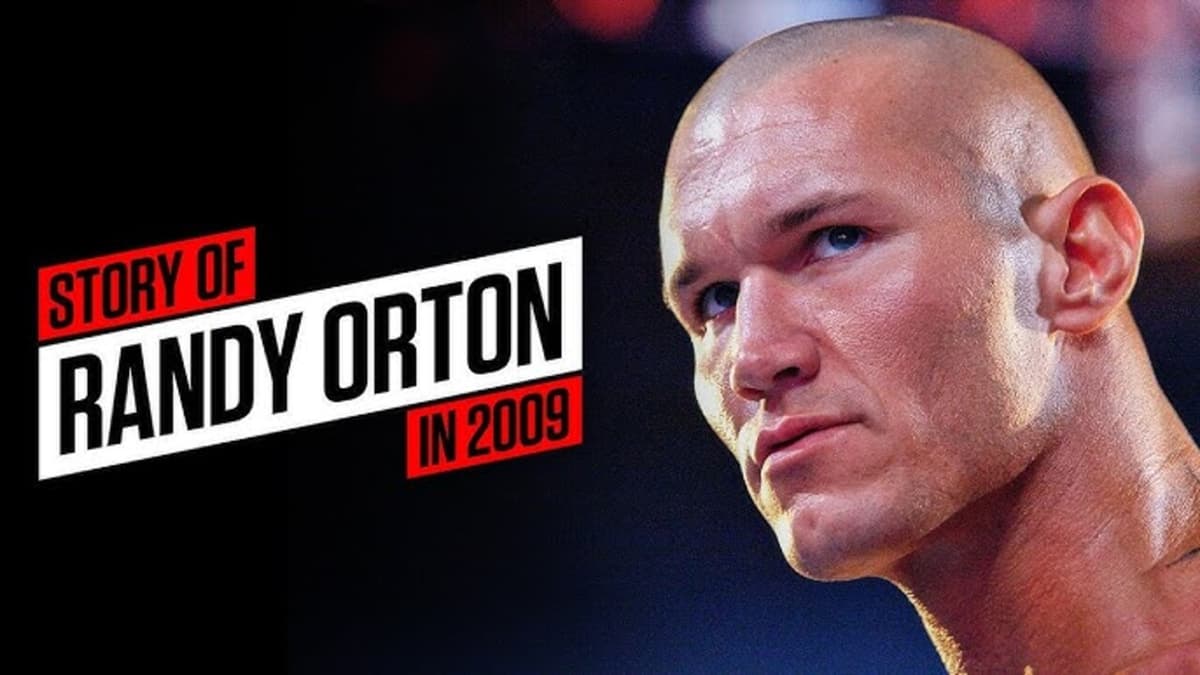
"Randy Orton explains how fewer WWE matches affect in-ring timing, rhythm, and overall match chemistry"
Randy Orton has shed light on a growing concern within WWE, explaining that the company’s lighter schedule is subtly changing what fans experience inside the ring.
Speaking ahead of WrestleMania 42, the veteran star shared that fewer live events are altering how wrestlers prepare for big matches, particularly when it comes to developing natural timing with their opponents.
In earlier years, WWE’s packed calendar meant talent would face each other multiple times at non-televised events before appearing on major shows.
That repetition helped performers fine-tune sequences, read crowd reactions, and build a natural rhythm.
Orton explained that with fewer matches today, that process has been interrupted, and in some cases, wrestlers are sharing the ring for the first time on live television instead of after weeks of in-ring preparation.
A Shift That Changes How Matches Come Together
The 14-time world champion reflected on how previous generations depended heavily on constant competition. Wrestlers often worked hundreds of matches annually, gaining valuable experience and chemistry through repetition.
While the schedule was demanding, it created a strong sense of familiarity that translated into smoother and more confident performances when it mattered most.
With WWE reducing its house show schedule, Orton believes the dynamic has shifted.
He pointed out that some performers now enter high-profile matches without ever having tested their in-ring chemistry beforehand, something he considers very different from how things worked in the past.
Even so, Orton acknowledged there are positives to the lighter schedule.
Fewer dates mean reduced travel, more recovery time, and potentially longer careers for performers.
Still, he emphasized that something important has been lost, especially the organic connection that naturally develops between opponents through regular competition.
This shift reflects WWE’s ongoing evolution as it balances performer health with the quality of in-ring storytelling.
While the modern schedule may be less physically taxing, Orton’s comments raise questions about whether fewer matches can deliver the same level of precision and flow fans have come to expect.
As WWE continues to adapt, Orton’s insight offers a rare glimpse behind the scenes, showing that in-ring chemistry isn’t instant—it’s something built gradually through shared experience over time.
Never Miss a Storyline
Breaking WWE & AEW news delivered directly to your inbox. No spam, ever.

About the Author
Syed Abdul Hadi
I am SYED ABDUL HADI, a BS Electronics & Communication (ELC&COM) student at COMSATS University Islamabad and currently working as a Senior Editor at WRESTLING NEWS PLUS, where I manage content and ensure consistent audience engagement.
Related Articles